


 cn
cn



Ⅰ. Determination of Pump Type
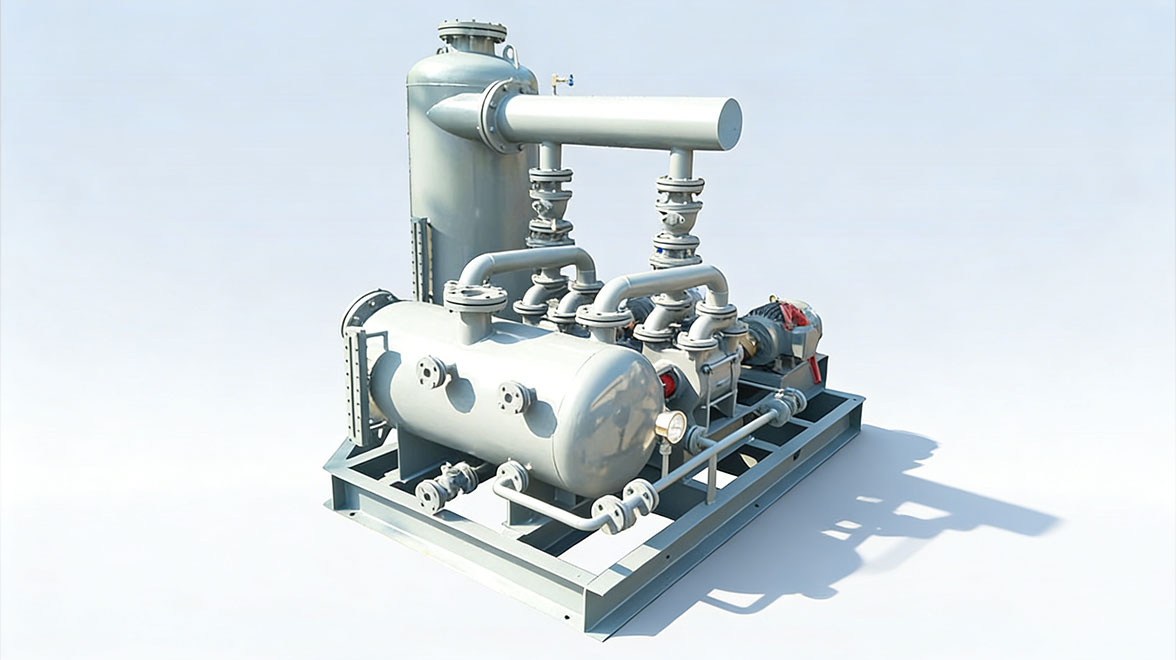
The pump type is mainly determined by the required gas volume, vacuum degree or discharge pressure for operation.
Two key points shall be noted during pump operation:
Operate within the high-efficiency range as far as possible, namely the range of critical vacuum degree or critical discharge pressure.
Avoid operation near the maximum vacuum degree or maximum discharge pressure. Operation in this range results in extremely low efficiency and unstable performance, accompanied by severe vibration and noise. For vacuum pumps with high vacuum demand, operation in this range will easily cause cavitation. Obvious signs of cavitation are abnormal noise and vibration inside the pump. Cavitation will damage the pump body, impeller and other components, and eventually lead to pump failure.
In accordance with the above principles, single-stage pumps are preferred when the required vacuum degree or gas pressure is low.
If a high vacuum degree or discharge pressure is required, and single-stage pumps cannot meet the demand, or a large gas volume is needed under high vacuum conditions (i.e., a flat performance curve at high vacuum), two-stage pumps shall be adopted.
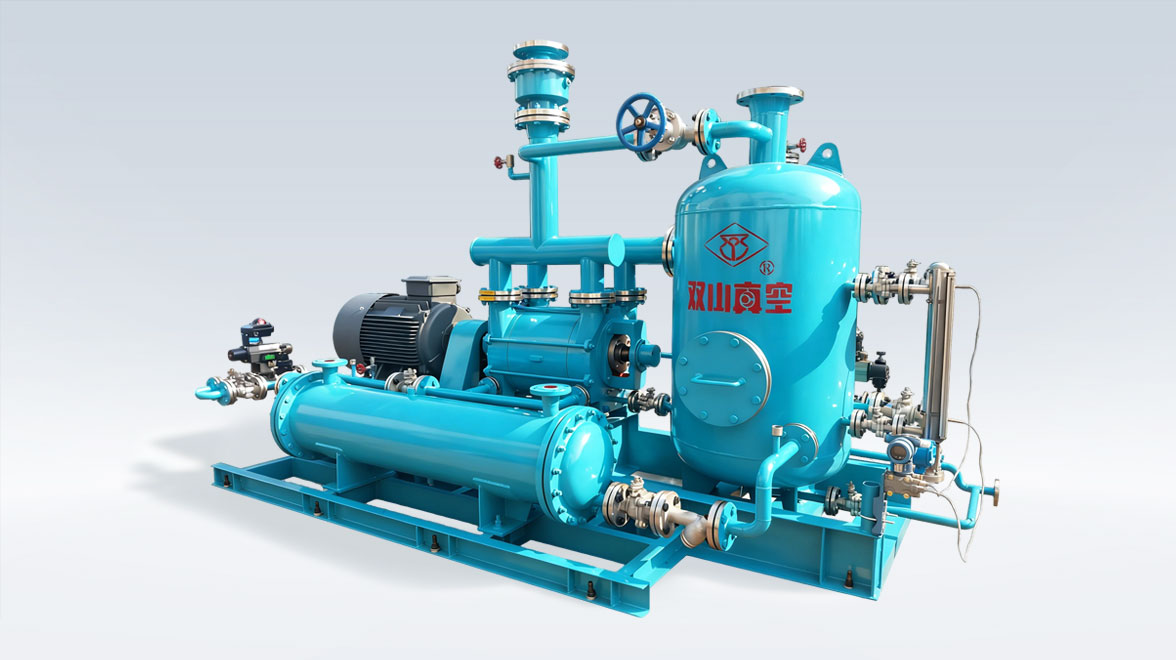
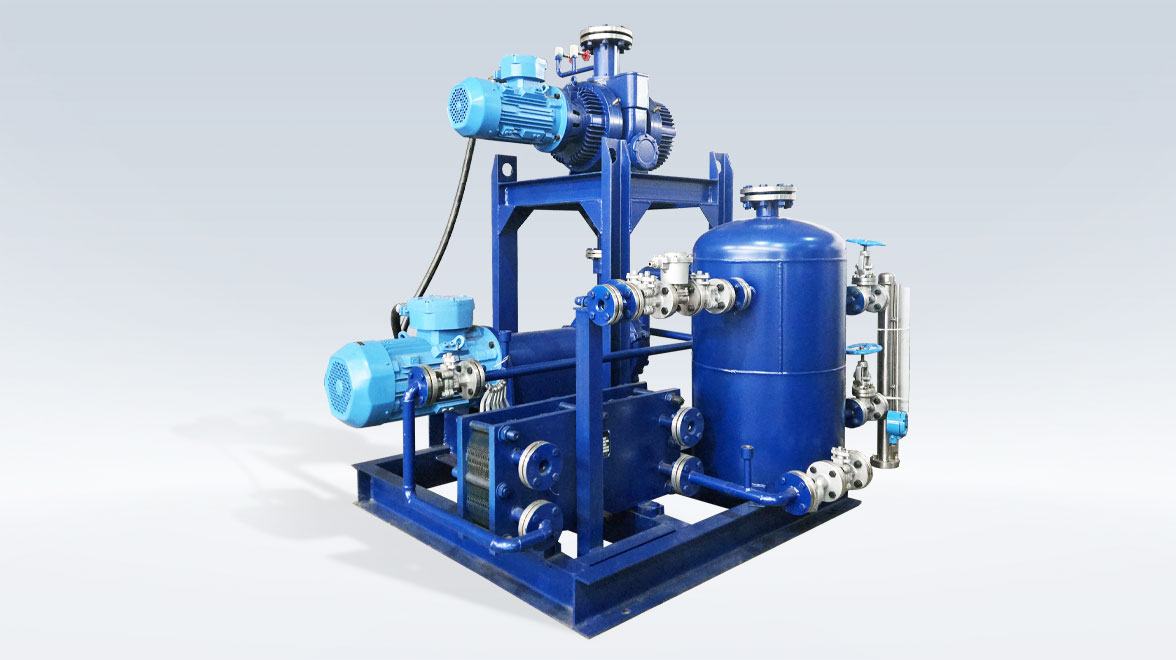
If the vacuum degree requirement is above -710 mmHg, a liquid ring-atmospheric pump or liquid ring-Roots vacuum unit can be used as the vacuum extraction equipment.
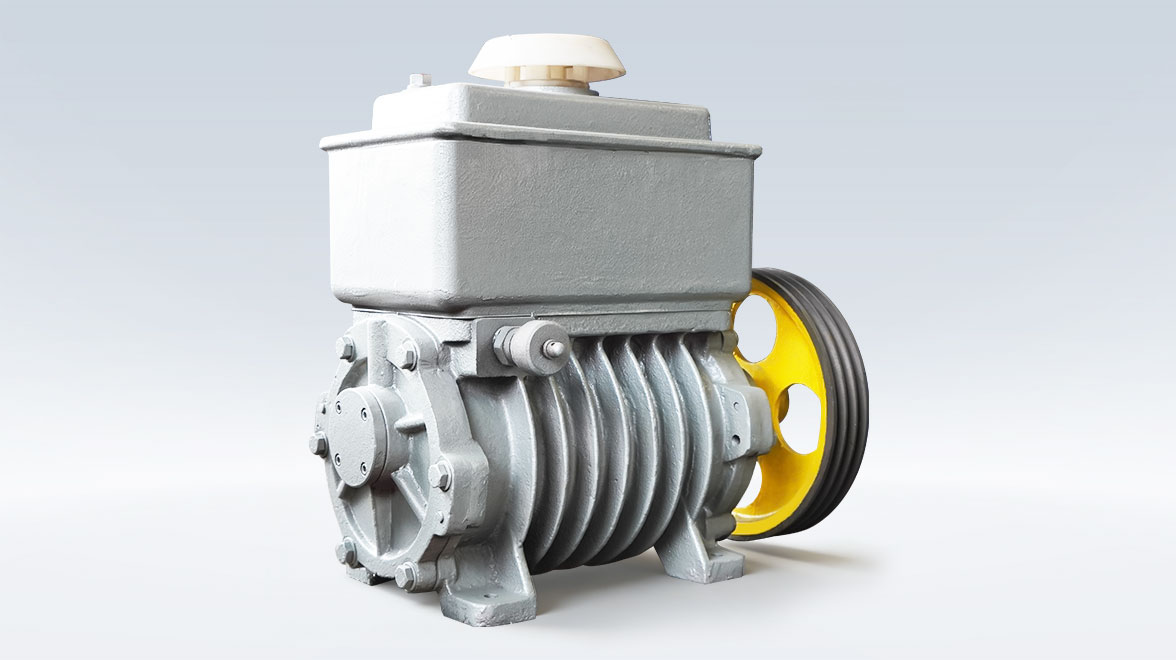
If the equipment is only used as a vacuum pump, a single-acting pump is the optimal choice. It features simple structure, easy manufacture and maintenance, and excellent cavitation resistance under high vacuum.
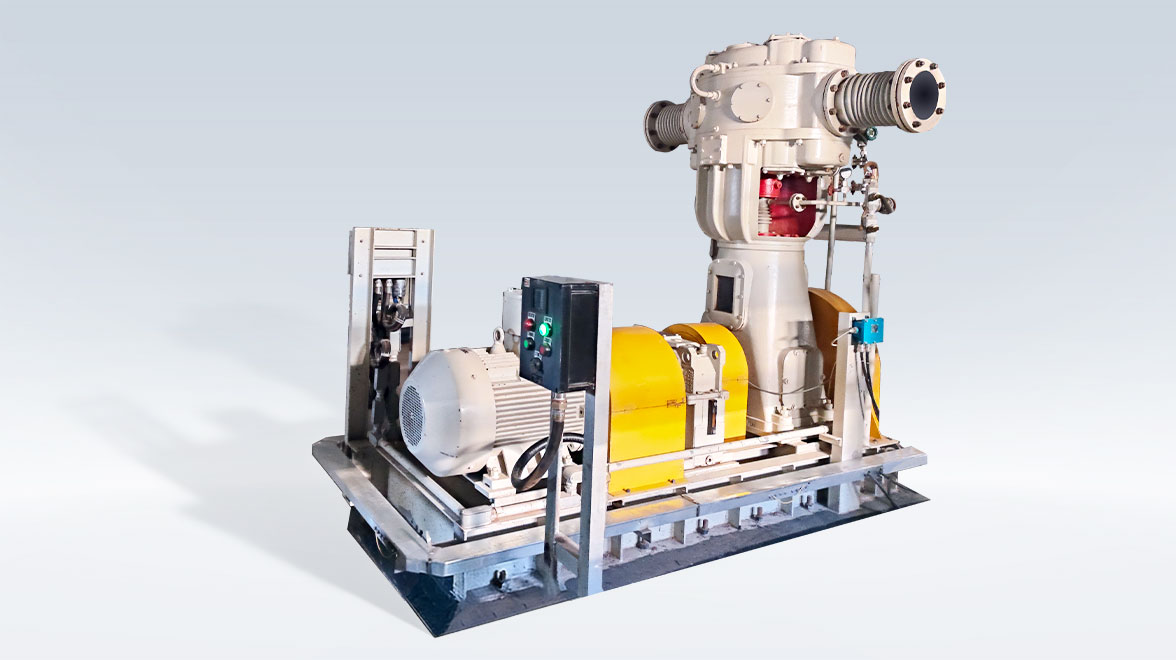
If it is only used as a large-flow compressor, a double-acting pump is more suitable. It delivers large gas volume with small size and light weight; its radial force is automatically balanced, which prevents shaft fatigue fracture and extends the service life of the pump.
Ⅱ. Select Vacuum Pump According to System Gas Volume
After the preliminary selection of pump type, the specific pump model shall be determined according to the gas volume required by the system.

Sales Tel.
+86-533-4182962After-sales Services
+86-533-4159149
Mobile

Douyin