



 cn
cn



1 Start-up
For pumps after long-term shutdown, manually rotate the coupling several times before commissioning to ensure no jamming. Start the pump in the following sequence.
1.1 Close the valve on the air inlet pipe.
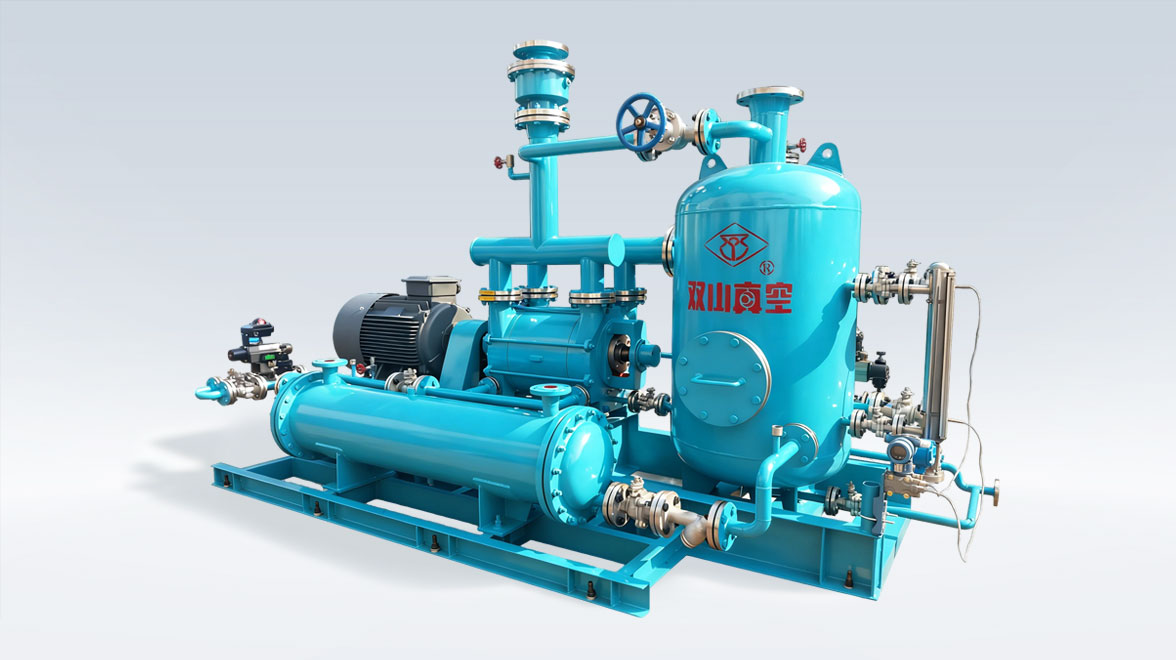
1.2 Fill water into the stuffing box and air-water separator.
1.3 Start the motor when water overflows from the air-water separator.
1.4 Open the globe valve on the water supply pipeline.
1.5 Open the valve on the air inlet pipe.
1.6 Adjust the inlet water flow via the globe valve to minimize water consumption and meet the pump’s technical specifications.
2 Shutdown (Follow the sequence below)
2.1 Close the valve on the air inlet pipe.
2.2 Turn off the motor.
2.3 Close the water valve.
2.4 In winter, unscrew the pipe plugs on the pump and drain all residual water after shutdown.
3 Maintenance
3.1 The pumping speed shall not be controlled by throttling the valve to adjust vacuum degree.
3.2 Regularly inspect the fluctuation of vacuum degree and pump body vibration.
3.3 Check the temperature of the stuffing box during operation and eliminate abnormalities in a timely manner.
3.4 Inspect the pump for abnormal operating noise; troubleshoot immediately if any abnormal condition occurs.
3.5 Check for cooling water blockage; the water temperature shall not exceed 40℃.
3.6 Check all connecting bolts and foundation anchor bolts for looseness, and fasten them timely if loose.
3.7 The installation area of the vacuum pump shall be kept clean, dry and well-ventilated.
3.8 Compress the packing regularly. Replace the packing promptly if it fails to meet sealing requirements.
3.9 Keep rolling bearings well lubricated.
3.10 Constantly monitor the temperature of rolling bearings during operation.
3.11 For normally operating bearings, replenish lubricant 3–4 times a year; clean the bearings at least once a year and fully replace the lubricating oil.
3.12 Keep the pump body and accessories clean and tidy at all times.
3.13 Drain all water inside the pump and water chamber after shutdown in winter.

Sales Tel.
+86-533-4182962After-sales Services
+86-533-4159149
Mobile

Douyin